Building it was never the hard part.
Someone in your agency built something useful with AI. It works, your business now depends on it, and nobody is quite sure what will happen when it breaks.
I take the prototype you have already proved and make it safe to depend on.
Building it was never the hard part.
Someone in your agency built something useful with AI. It works, your business now depends on it, and nobody is quite sure what will happen when it breaks.
I take the prototype you have already proved and make it safe to depend on.
The prototype problem
A working prototype is not dependable software.
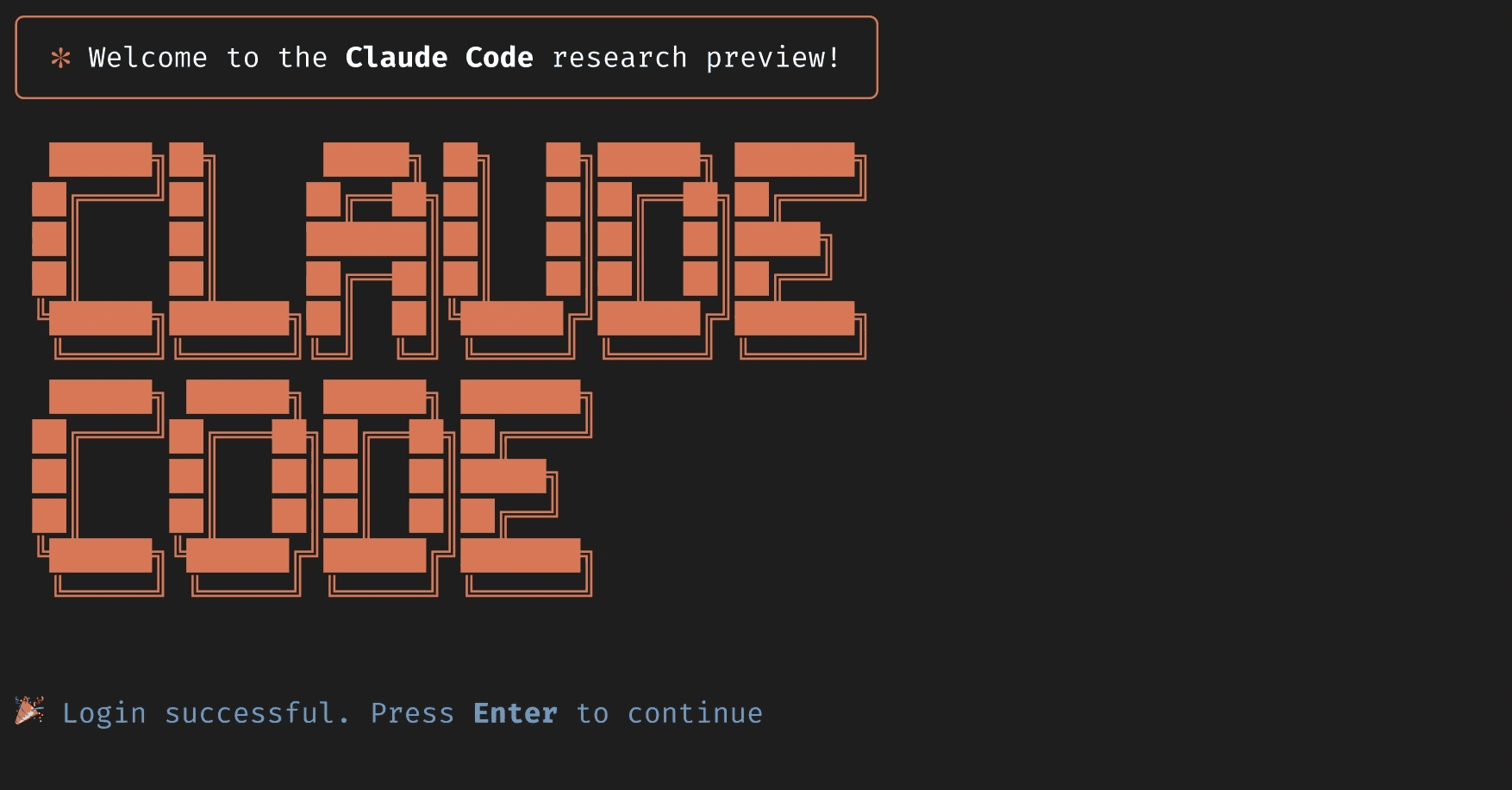
Claude Code and other AI coding tools changed who can build software. Someone on your team saw a problem, built a fix, and it worked.
It might be a tool that formats CVs, chases timesheets, or moves data in and out of your CRM. The need was proven, the value was proven, and you found it all out without paying anyone to build it. But the prototype fails silently, because there is no error handling.
Nobody can see what went wrong, because there is no logging. There are no backups, no access controls, and there's only one person who understands how it works, assuming they still work for you.
The real exposure is owning software nobody can maintain.
The prototype problem
A working prototype is not dependable software.
Claude Code and other AI coding tools changed who can build software. Someone on your team saw a problem, built a fix, and it worked.
It might be a tool that formats CVs, chases timesheets, or moves data in and out of your CRM. The need was proven, the value was proven, and you found it all out without paying anyone to build it. But the prototype fails silently, because there is no error handling.
Nobody can see what went wrong, because there is no logging. There are no backups, no access controls, and there's only one person who understands how it works, assuming they still work for you.
The real exposure is owning software nobody can maintain.
What I do
What hardening actually covers.
Every engagement starts with a deep look at what has been built, what it touches and who depends on it. From there the work is usually one of the below, or a combination.
Error handling and logging
I build failure modes that surface instead of hiding, and problems can be diagnosed rather than guessed at. When something breaks, you find out the same day it happens, not when a client points it out a month down the line.
Backups and recovery
Your data survives mistakes, crashes and bad updates. Backups run automatically, restores are tested, and losing a laptop or a server no longer means losing the tool.
Access control and data protection
These tools touch candidate data: CVs, right to work documents, contact details, sometimes bank details for temps. I lock down who can see what, so the build holds up when a client, an auditor or the ICO asks questions.
A maintenance route
Documentation, sensible structure and a proper handover, so the software stops being welded to one person's head. If the person who built it leaves, the tool stays.
What I do
What hardening actually covers.
Every engagement starts with a deep look at what has been built, what it touches and who depends on it. From there the work is usually one of the below, or a combination.
Error handling and logging
I build failure modes that surface instead of hiding, and problems can be diagnosed rather than guessed at. When something breaks, you find out the same day it happens, not when a client points it out a month down the line.
Backups and recovery
Your data survives mistakes, crashes and bad updates. Backups run automatically, restores are tested, and losing a laptop or a server no longer means losing the tool.
Access control and data protection
These tools touch candidate data: CVs, right to work documents, contact details, sometimes bank details for temps. I lock down who can see what, so the build holds up when a client, an auditor or the ICO asks questions.
A maintenance route
Documentation, sensible structure and a proper handover, so the software stops being welded to one person's head. If the person who built it leaves, the tool stays.
Is this you?
We should talk if...
You're running a recruitment agency and some version of the following is true:
Someone built an internal tool with AI and it quietly became part of how you operate.
Only one person understands how it works. It touches candidate data and you're not sure it would survive an audit.
It has broken before and nobody noticed until someone downstream did.
It doesn't matter what it was built with - Claude Code, Codex, Cursor, n8n, Zapier or a plain script. The gaps are usually the same. Engineering got cheap. Knowing how a recruitment business runs did not, and that's the part I bring.
Is this you?
We should talk if...
You're running a recruitment agency and some version of the following is true:
Someone built an internal tool with AI and it quietly became part of how you operate.
Only one person understands how it works. It touches candidate data and you're not sure it would survive an audit.
It has broken before and nobody noticed until someone downstream did.
It doesn't matter what it was built with - Claude Code, Codex, Cursor, n8n, Zapier or a plain script. The gaps are usually the same. Engineering got cheap. Knowing how a recruitment business runs did not, and that's the part I bring.
How it works
Every engagement goes through the same three steps.
Review
A proper look at what has been built: the code, the data it touches, where it runs and who depends on it. I'll tell you what needs hardening, what doesn't, and what a realistic scope looks like.
Review
A proper look at what has been built: the code, the data it touches, where it runs and who depends on it. I'll tell you what needs hardening, what doesn't, and what a realistic scope looks like.
Harden
I add the error handling, logging, backups, access control and data protection the build needs, and document everything as I go. The tool keeps working throughout, and nothing gets rebuilt for the sake of it.
Harden
I add the error handling, logging, backups, access control and data protection the build needs, and document everything as I go. The tool keeps working throughout, and nothing gets rebuilt for the sake of it.
Handover
You get a hardened tool, full documentation, and a walkthrough of how it all fits together. After that, retainer support is available if you want someone accountable for keeping it running.
Handover
You get a hardened tool, full documentation, and a walkthrough of how it all fits together. After that, retainer support is available if you want someone accountable for keeping it running.
what clients say
But don't just take it from me.

We bring Jack in whenever we need serious Bullhorn Automation expertise. He takes our most tangled requirements and turns them into clean automations that just work, and he's become our go-to second pair of eyes whenever a build needs sense-checking. It's clear he has a deep understanding of Bullhorn and the recruitment industry as a whole. Overall, he's saved us hours of build time.
Kathy Walker, Fractional Marketing Director & Co-Founder, JK&Co.


We’ve had the pleasure of working with Jack across several projects and have consistently been impressed with the quality of work delivered. Communication is always clear, deadlines are met without issue, and there's a strong sense of accountability and transparency throughout. What stands out most is the flexibility to adapt to varying requirements while maintaining a high standard of execution.
Tina Tucker, Marketing Account Director, Thrive Recruitment Marketing

what clients say
But don't just take it from me.
We bring Jack in whenever we need serious Bullhorn Automation expertise. He takes our most tangled requirements and turns them into clean automations that just work, and he's become our go-to second pair of eyes whenever a build needs sense-checking. It's clear he has a deep understanding of Bullhorn and the recruitment industry as a whole. Overall, he's saved us hours of build time.
Kathy Walker, Fractional Marketing Director & Co-Founder, JK&Co.
We’ve had the pleasure of working with Jack across several projects and have consistently been impressed with the quality of work delivered. Communication is always clear, deadlines are met without issue, and there's a strong sense of accountability and transparency throughout. What stands out most is the flexibility to adapt to varying requirements while maintaining a high standard of execution.
Tina Tucker, Marketing Account Director, Thrive Recruitment Marketing
what clients say
But don't just take it from me.
We bring Jack in whenever we need serious Bullhorn Automation expertise. He takes our most tangled requirements and turns them into clean automations that just work, and he's become our go-to second pair of eyes whenever a build needs sense-checking. It's clear he has a deep understanding of Bullhorn and the recruitment industry as a whole. Overall, he's saved us hours of build time.
Kathy Walker, Fractional Marketing Director & Co-Founder, JK&Co.
We’ve had the pleasure of working with Jack across several projects and have consistently been impressed with the quality of work delivered. Communication is always clear, deadlines are met without issue, and there's a strong sense of accountability and transparency throughout. What stands out most is the flexibility to adapt to varying requirements while maintaining a high standard of execution.
Tina Tucker, Marketing Account Director, Thrive Recruitment Marketing
Book a Call
Book a Diagnostic Call
The diagnostic call is 30 minutes. You tell me what the tool does, what it touches and who relies on it. I'll tell you honestly what it needs to be safe, what it doesn't, and roughly what it would cost. If the answer is nothing, I'll tell you that too. No pitch deck. No proposal you didn't ask for.
Trusted by SMEs from Recruitment and HR to Marketing, Finance and Tech.




frequently asked questions
Common questions answered
What kind of tools can you take on?
Anything your team has built or had built: Claude Code and Cursor projects, n8n and Zapier workflows, scripts, small internal web apps. If it runs and something in the business depends on it, it qualifies. The platform matters less than what the tool touches and who relies on it.
What kind of tools can you take on?
Anything your team has built or had built: Claude Code and Cursor projects, n8n and Zapier workflows, scripts, small internal web apps. If it runs and something in the business depends on it, it qualifies. The platform matters less than what the tool touches and who relies on it.
Will you rebuild it from scratch?
No, and that's deliberate. You've already proved the tool works and the need is real. I keep what works and add what's missing: error handling, logging, backups, access control, data protection and documentation. A rebuild only happens if the original genuinely can't be made safe, and I'll tell you that on the review, not halfway through a build.
Will you rebuild it from scratch?
No, and that's deliberate. You've already proved the tool works and the need is real. I keep what works and add what's missing: error handling, logging, backups, access control, data protection and documentation. A rebuild only happens if the original genuinely can't be made safe, and I'll tell you that on the review, not halfway through a build.
What do we actually get at the end?
A tool that fails loudly instead of silently, data that's backed up and restorable, access that's controlled, and documentation your team can actually use. Plus a walkthrough, so more than one person in the business understands how it works.
What do we actually get at the end?
A tool that fails loudly instead of silently, data that's backed up and restorable, access that's controlled, and documentation your team can actually use. Plus a walkthrough, so more than one person in the business understands how it works.
What about the person who built it?
They're an asset, not a problem. The tool exists because they saw a gap and fixed it, and that instinct is worth keeping. I work with them where possible, since their context speeds up the review, and the documentation means the business no longer depends on them alone.
What about the person who built it?
They're an asset, not a problem. The tool exists because they saw a gap and fixed it, and that instinct is worth keeping. I work with them where possible, since their context speeds up the review, and the documentation means the business no longer depends on them alone.
Do we need the retainer?
Not for the hardening itself. The retainer is for what comes after: platforms update, APIs change, requirements move, and somebody has to notice. If you'd rather have someone accountable for keeping the tool running than hope it stays quiet, that's what it's for.
What does it cost?
It depends on what has been built and how much of your business sits on it. I price by project rather than day rate, so you know the number before anything starts. The diagnostic call is free and will tell you where your engagement would sit.
What does it cost?
It depends on what has been built and how much of your business sits on it. I price by project rather than day rate, so you know the number before anything starts. The diagnostic call is free and will tell you where your engagement would sit.